Metal roofing remains one of the most durable, energy-efficient, and long-lasting roofing solutions available in 2026. Whether you’re planning a new installation, upgrading an aging roof, or researching maintenance requirements, understanding how metal roofing works can help you make a smart investment for your property.
At Yoder Roofing & Construction, we help homeowners and business owners choose high-quality metal roofing systems that deliver long-term performance, durability, and value. A properly installed metal roof can last between 40 and 70 years while offering excellent protection against harsh weather conditions, fire, wind, and moisture. However, achieving these benefits depends on selecting the right roofing system, following proper installation procedures, and performing routine maintenance.
In this guide, we’ll cover the different types of metal roofing, installation steps, maintenance requirements, costs, and frequently asked questions to help homeowners and business owners make informed decisions.
Why Choose Metal Roofing?
Metal roofing has become increasingly popular due to its durability, energy efficiency, and low maintenance requirements. Unlike traditional asphalt shingles, metal roofing systems are designed to withstand extreme weather conditions while maintaining their appearance for decades.
Some of the key benefits of metal roofing include:
- Lifespan of 40–70 years or more
- Excellent wind and hail resistance
- Improved energy efficiency
- Fire-resistant materials
- Lightweight construction
- Environmentally friendly and recyclable
- Minimal maintenance requirements
- Modern and attractive appearance
For homeowners looking to reduce long-term roofing expenses, metal roofing often provides a better return on investment than conventional roofing materials.
Types of Metal Roofing in 2026
Choosing the right metal roofing system is essential for maximizing performance and aesthetics. Here are the most popular options available today.
Standing Seam Metal Roofing
Standing seam metal roofing is considered the premium choice for residential and commercial properties. It features continuous vertical panels connected by raised interlocking seams that create a sleek, modern appearance.
Benefits of standing seam metal roofing include:
- Superior weather resistance
- Hidden fastener system
- Reduced risk of leaks
- Exceptional durability
- Minimal maintenance
Although standing seam systems typically cost more upfront, they often provide the longest lifespan and best overall performance.
Corrugated Metal Roofing
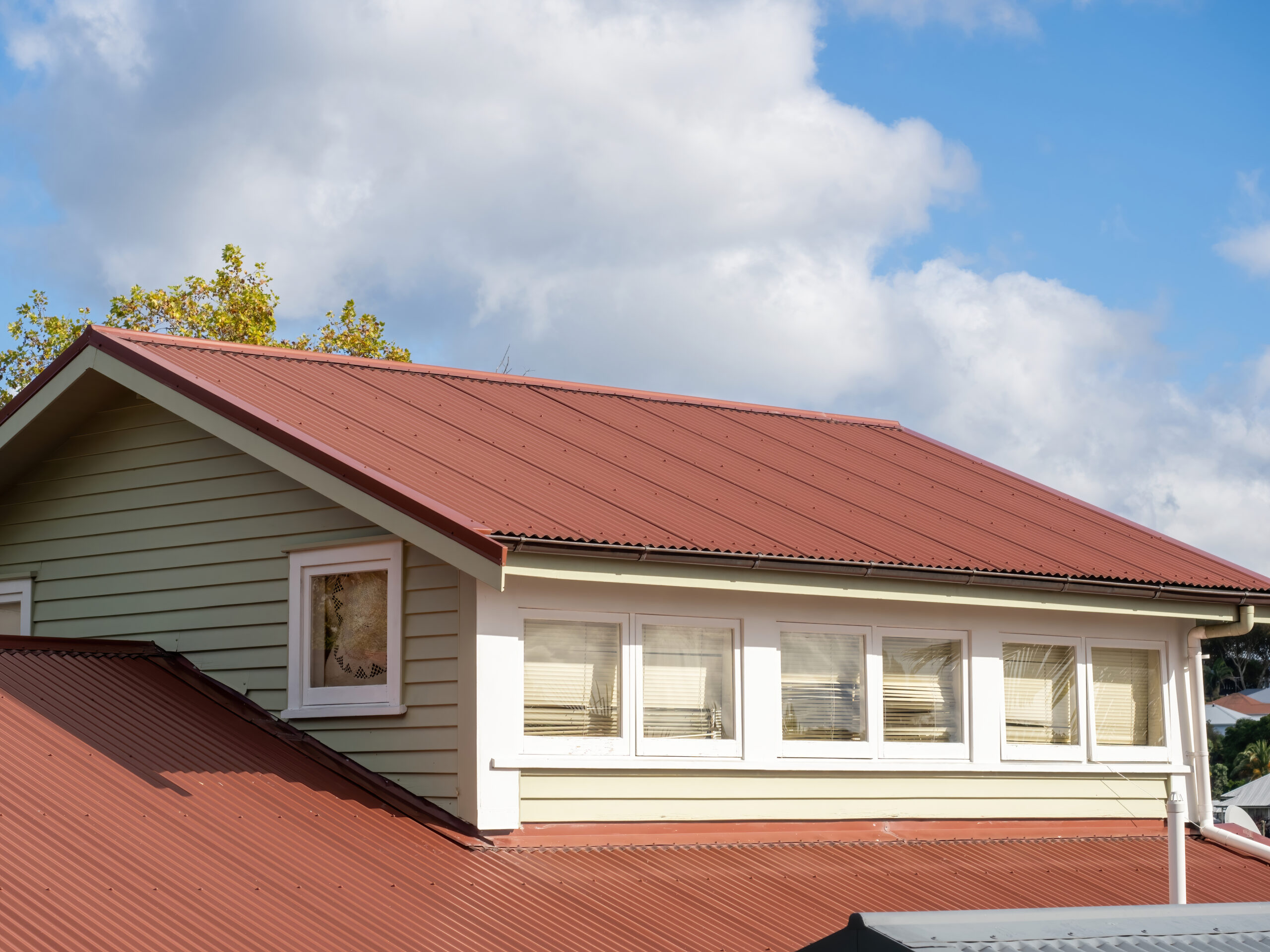
Corrugated metal roofing features distinctive wave-like or ribbed panels that provide structural strength and affordability.
Benefits include:
- Lower installation costs
- Excellent durability
- Faster installation process
- Ideal for agricultural, industrial, and residential applications
Corrugated panels are fastened directly to the roof deck with exposed screws, making them among the most cost-effective metal roofing solutions.
Metal Shingle Roofing
Metal shingles combine the appearance of traditional roofing materials with the durability of metal.
Available styles include:
- Asphalt shingle look
- Cedar shake appearance
- Slate-style roofing
- Clay tile appearance
Metal shingles are an excellent option for homeowners who want the performance benefits of metal roofing without sacrificing traditional curb appeal.
Pros and Cons of Metal Roofing
Like any roofing material, metal roofing comes with both advantages and disadvantages.
Advantages
- Can last more than 50 years
- Reflects solar heat and improves energy efficiency
- Fire-resistant
- Lightweight compared to tile and slate
- Environmentally sustainable
- Resistant to high winds and hail damage
- Increases property value
Disadvantages
- Higher upfront installation costs
- Some materials may dent from severe impacts
- Improper installation can lead to leaks
- Expansion and contraction due to temperature changes
- May produce more noise during heavy rain if not properly insulated
Understanding these factors can help you determine whether metal roofing is the right choice for your property.
Metal Roofing Installation Process
The lifespan and effectiveness of a metal roof largely depend on correct installation practices. Whether you’re installing a new roof or planning a metal roof replacement in Newcomerstown, OH, these steps should be followed carefully.
1. Site Preparation and Safety
Before installation begins, contractors should secure the work area and follow all safety protocols.
Essential safety equipment includes:
- Non-slip footwear
- Protective gloves
- Safety harnesses
- Eye protection
Because metal panels can have sharp edges and become slippery when wet, proper safety measures are essential.
2. Roof Inspection and Measurements
Accurate measurements are necessary to ensure materials fit properly and minimize waste.
During this stage, contractors evaluate:
- Roof dimensions
- Roof pitch
- Existing roof condition
- Ventilation requirements
- Flashing locations
Precise measurements help ensure a smooth installation process and professional results.
3. Underlayment Installation
A high-quality underlayment is installed before the metal panels.
The underlayment serves several important purposes:
- Moisture protection
- Improved energy efficiency
- Additional weather resistance
- Enhanced roof performance
This layer acts as a secondary barrier against water intrusion.
4. Flashing Installation
Flashing is installed around vulnerable areas such as:
- Chimneys
- Skylights
- Roof valleys
- Plumbing vents
- Roof edges
Proper flashing installation helps prevent leaks and extends the lifespan of the roofing system.
5. Metal Panel Installation
The metal panels are carefully positioned and secured according to manufacturer specifications.
Contractors must ensure:
- Proper alignment
- Correct fastening methods
- Adequate overlap between panels
- Consistent spacing
Attention to detail during this phase directly impacts the roof’s durability and appearance.
6. Ridge Cap Installation
The ridge cap covers the peak of the roof where panels meet.
This component:
- Protects against water intrusion
- Enhances ventilation
- Improves roof aesthetics
- Provides a finished appearance
7. Final Inspection
Once installation is complete, a thorough inspection should be conducted.
The inspection should include:
- Checking for loose fasteners
- Verifying panel alignment
- Examining flashing details
- Touching up scratches with approved paint
- Confirming proper ventilation
A final inspection helps identify any issues before they become costly repairs.
Metal Roofing Costs in 2026
Metal roofing costs vary based on material type, roof size, complexity, and labor requirements.
| Metal Roofing Type | Average Cost Per Sq. Ft. |
| Corrugated Metal Roofing | $5 – $12 |
| Metal Shingles | $8 – $15 |
| Standing Seam Roofing | $10 – $20 |
Estimated Total Installation Costs
| Home Size | Average Project Cost |
| 1,500 Sq. Ft. | $13,500 – $27,000 |
| 2,000 Sq. Ft. | $18,000 – $36,000 |
| 2,500 Sq. Ft. | $22,500 – $45,000 |
While the initial investment is higher than asphalt shingles, the extended lifespan and reduced maintenance costs often provide significant long-term savings.
Metal Roof Maintenance Tips
Routine maintenance helps maximize the lifespan of your roofing system and prevent costly repairs.
Remove Debris Regularly: Leaves, branches, and dirt can trap moisture and accelerate corrosion.
Wash the Roof Surface: Periodic cleaning removes contaminants that may damage protective coatings.
Clean Gutters and Downspouts: Clogged drainage systems can cause water backup and roof damage.
Inspect Fasteners: Check exposed fasteners annually to ensure they remain secure.
Examine Flashing and Sealants: Inspect flashing around penetrations and replace deteriorated sealants when necessary.
Look for Rust and Corrosion: Address small areas of corrosion immediately to prevent larger issues from developing.
Schedule Professional Inspections: A professional roof inspection every few years can help identify hidden problems before they become major repairs.
Final Thoughts
Metal roofing remains one of the best roofing investments available in 2026. Its exceptional durability, energy efficiency, weather resistance, and long lifespan make it an attractive option for both residential and commercial properties.
Whether you’re considering standing seam metal roofing, corrugated panels, or metal shingles, proper installation and routine maintenance are essential for maximizing performance. By working with experienced roofing professionals and following recommended maintenance practices, you can enjoy reliable protection and long-term value for decades to come.
Frequently Asked Questions
How long does a metal roof last?
A properly installed metal roof typically lasts between 40 and 70 years, depending on material quality, climate conditions, and maintenance practices.
Does a metal roof improve energy efficiency?
Yes. Metal roofing reflects solar heat, helping reduce cooling costs and maintain more comfortable indoor temperatures.
Can a metal roof be installed over existing shingles?
In many cases, yes. Local building codes and the condition of the existing roof will determine whether installation over shingles is appropriate.
Are metal roofs noisy during rain?
Modern metal roofing systems installed with proper insulation and underlayment are generally not significantly louder than traditional roofing materials.
How much does a metal roof cost in 2026?
Most homeowners can expect to pay between $9 and $18 per square foot, with total project costs ranging from approximately $15,000 to $30,000 or more depending on roof size and material selection.